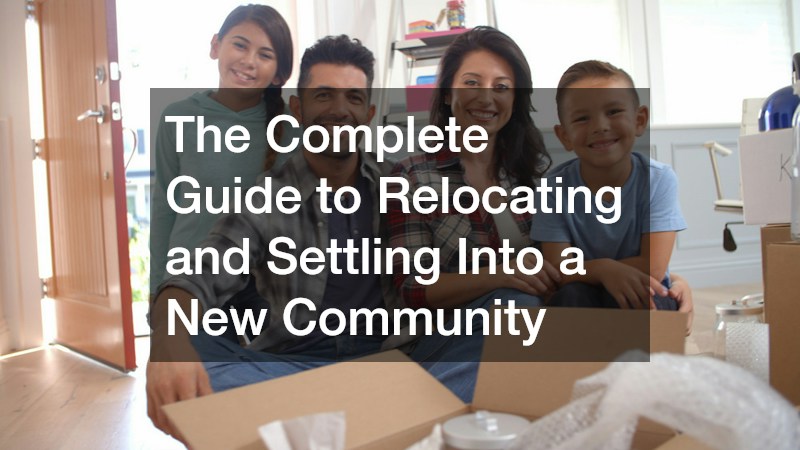
Moving to a new community changes much more than your address. Your family may need to learn unfamiliar streets, establish new routines, find essential services, and create a sense of belonging in a place that initially feels unfamiliar.
A smoother transition begins well before the moving truck arrives. Researching your destination, organizing important records, and discussing each family member’s concerns can help you make decisions without rushing. The following guide brings those steps together so your new house can gradually become a home.
Planning the Move Around Your Family’s Needs
Start by identifying what must happen before moving day and what can wait until you are settled. Make a shared timeline that includes housing paperwork, utility transfers, school enrollment, medical records, and transportation arrangements.
Talk openly about how the move will affect everyone. Young children may worry about leaving familiar rooms or friends, while teenagers may be concerned about school activities and social circles. Inviting family members to name their priorities helps you plan around real needs rather than assuming everyone experiences the transition in the same way.
Study the new area with daily life in mind. Look beyond photos of the house to consider grocery stores, parks, public transportation, libraries, and the time needed to reach work or school. If possible, visit at different times of day to understand traffic and neighborhood activity.
Leave room in the budget for expenses that are easy to overlook, such as application fees, replacement supplies, temporary meals, and small home repairs. A contingency can reduce pressure when plans change.

Choosing Schools and Childcare Options
Education often shapes a family’s schedule and sense of stability, so begin your search early. Compare school calendars, enrollment deadlines, transportation options, and the support available for students entering midyear. Ask about classroom routines and extracurricular opportunities as well as academics.
Families exploring private middle schools can request information about curriculum, class structure, tuition, financial aid, and admissions requirements. Ask how each school welcomes new students and communicates with caregivers. A tour or conversation with an admissions representative can clarify practical questions that a brochure cannot answer, including transportation expectations and how students join activities after the year has started.
If you have younger children, research private preschool programs with the same attention to everyday logistics. Consider operating hours, age requirements, staff qualifications, play opportunities, and the approach to helping children adjust. Ask how the program handles meals, rest periods, and caregiver communication.
Before leaving your previous community, request any records the new school or program requires. Keep copies of immunization documents, relevant evaluations, and emergency contact information in an accessible folder. Once enrollment is complete, mark orientation dates and pickup procedures on the family calendar. Introduce children to the route beforehand when possible, and make space for conversations about how their first days actually feel.
Establishing Medical and Dental Care
Finding healthcare providers before you urgently need them can make the first months more manageable. Begin by checking which offices participate in your insurance plan, whether they accept new patients, and how appointments are scheduled. Request copies of relevant records and keep medication lists, allergy information, and emergency contacts available while you make the transition.
A family practice may offer a convenient starting point for routine appointments and ongoing care for multiple household members. When contacting an office, ask which age groups its clinicians see, whether preventive visits are available, and how referrals or after-hours questions are handled. Do not assume every practice offers the same services; confirm that its scope matches your family’s needs.
It is also useful to identify a local walk in clinic before an unexpected illness or minor injury occurs. Check its current hours, accepted insurance, age restrictions, and the types of conditions it treats. A walk-in setting is not a substitute for emergency care when symptoms are severe or potentially life-threatening.
Dental care deserves a place on the checklist rather than becoming a task you remember months later. When searching for a family dentist, confirm whether the office treats children and adults, how it handles new-patient appointments, and whether it accepts your coverage. Transfer previous dental records when requested, and schedule routine visits based on your provider’s guidance. With healthcare contacts saved in one place, you can spend less time searching for information when someone needs an appointment.

Supporting Teenagers and Everyday Independence
A new community can change how older children get to school, see friends, and participate in activities. Ask teenagers which routines matter most to them, then look for realistic ways to maintain those connections. They might need help understanding bus routes, arranging rides, or discovering places where peers gather through school-sponsored or community programs. Their involvement in the planning process can make the move feel less like a series of decisions made for them.
For teens who are ready to learn to drive, local driving classes may provide structured instruction and familiarity with area roads. Check your state’s licensing requirements, course eligibility, and whether a program provides classroom instruction, behind-the-wheel lessons, or both. Compare schedules with school commitments, and ask how instructors communicate progress to families. Driving instruction should complement the supervision and practice required under applicable local rules.
Independence also develops through smaller daily responsibilities. Walk or travel together along a route to the library, recreation center, or nearby shop before expecting a child to navigate it alone. Agree on check-in plans, transportation alternatives, and what to do if a phone battery dies.
Keep old friendships in the picture as new ones develop. Setting aside time for calls or visits can preserve meaningful relationships without preventing new connections. Rather than insisting everyone feels settled on the same schedule, check in regularly and adjust routines when something is not working. Consistent support gives family members room to build confidence at their own pace.
Preparing a Home That Works for Everyone
Before unpacking every box, make sure your home supports basic comfort and safety. Confirm that utilities are operating, locate the main water shutoff, and test smoke and carbon monoxide alarms according to their instructions. Check doors, windows, and any stairs or outdoor areas that may need attention. If you rent, document existing damage and report maintenance concerns through the appropriate process.
Prioritize bedrooms, bathrooms, and a functional kitchen so the family can rest, get ready, and eat without searching through boxes. Give children a chance to choose where familiar items belong. Even a favorite blanket, lamp, or set of books can make an unfamiliar bedroom feel more recognizable. Resist the pressure to finish decorating immediately; living in the space for a while may reveal what furniture and storage you actually need.
If children have outgrown their current setup or their new rooms have different dimensions, a kids furniture store can be one place to compare beds, desks, and storage options. Measure doorways and floor space before buying, and review product dimensions, assembly requirements, and applicable safety information. Secure furniture that could tip over according to manufacturer instructions. Consider how a room will function for homework, play, and rest rather than choosing pieces based only on appearance.
Shared spaces matter as much as individual rooms. Decide where keys, backpacks, shoes, and mail will go so everyday belongings have predictable places. Set up a small area for school forms and appointment reminders. These practical choices help the home support the routines you are building, while leaving room for personal touches that reflect each family member’s personality.

Organizing Packing and Moving Services
Good organization can keep moving day from becoming a search for necessities. Sort belongings by room and decide what to donate, recycle, discard, or take along before you start boxing everything. Label each box with its destination and a short description of the contents. Pack an essentials bag with medication, chargers, toiletries, a change of clothes, important documents, and the supplies needed for the first night.
When researching local moving services, ask for written estimates, clarify what is included, and explain any access challenges at both properties. Stairs, elevators, narrow streets, and parking restrictions can affect the plan. Find out how a company handles scheduling, inventory, and claims for damaged belongings. Review the agreement carefully rather than assuming that packing, furniture assembly, or storage is included in a basic transportation quote.
For a move across state lines or a substantial distance, compare distance movers based on the routes they serve, delivery arrangements, and the protections described in their paperwork. Confirm which company will actually transport your belongings, what delivery windows mean, and whom you should contact if plans change. Interstate moves may involve additional federal requirements, so verify the carrier’s registration and review the consumer information provided by the relevant transportation authority.
If boxing an entire household is too demanding, packaging services may help with tasks such as wrapping fragile items, supplying materials, or preparing belongings for transport. Ask exactly which items the provider will pack and whether any materials or specialty handling cost extra. Photograph valuable items, maintain your own inventory, and keep irreplaceable documents with you. Clear expectations make it easier to coordinate everyone involved and reduce confusion at delivery.
Getting Connected to Your New Neighborhood
Once essential boxes are unpacked, begin exploring the places where community life happens. Libraries, parks, recreation centers, and neighborhood events can offer low-pressure opportunities to learn the area. Check municipal websites and community calendars for programs that match your family’s interests. Rather than trying every activity at once, choose a few that fit your schedule and revisit the places where people feel comfortable.
Introduce yourself to neighbors when the opportunity arises, but respect that relationships develop differently. A brief conversation about trash collection, snow removal, or a local event may be more natural than a formal introduction. If your family has pets, children, or accessibility needs, neighbors may also point you toward relevant community resources. Verify important details with the organization responsible rather than relying entirely on informal recommendations.
Help children find social opportunities tied to their interests. School clubs, sports leagues, art programs, and volunteer activities can create repeated chances to meet people. Be mindful of cost, transportation, and the time needed for rest; an overloaded calendar can make adjustment harder. Consider one familiar activity alongside one new experience so children can retain a sense of continuity while discovering what the community offers.
Adults need connections, too. Community classes, professional groups, faith communities, and local volunteer projects may provide ways to meet people beyond work or school pickup. Small, repeated encounters often do more to build familiarity than a packed schedule of one-time events.

Building Routines and a Sense of Belonging
Settling in rarely happens the moment the final box is empty. Give your family a few weeks to test morning schedules, meal plans, transportation routes, and household responsibilities. Notice which parts of the day create friction, then make one adjustment at a time. A shorter school-day breakfast routine or a designated place for paperwork may have more immediate value than finishing every decorative project.
Create simple traditions connected to the new area. You might visit the same park on weekends, try a different neighborhood restaurant once a month, or use the library together after school. Familiar experiences make a place easier to navigate, while shared discoveries give everyone something to look forward to. Invite family members to suggest activities so the new community becomes part of their own story.
Continue checking on how people are doing after the excitement of moving day fades. Some family members may miss their previous home long after others feel comfortable. Listen without rushing to solve every feeling, and make practical changes where possible. If school adjustment, childcare arrangements, or healthcare access remain difficult, reach out to the relevant professionals or organizations for specific support.
Finally, recognize progress that is easy to miss: a child who remembers the route to school, a neighbor who knows your name, or a kitchen where breakfast runs smoothly. Moving is a series of transitions, not a single event. With realistic planning, useful local resources, and patience for one another, your family can build a daily life that feels increasingly familiar, connected, and truly your own.