Introduction
Modern properties require far more than occasional maintenance to stay efficient, safe, and comfortable. Whether a residence is newly built, a luxury apartment, decades old, or part of a high-density development, every structure depends on interconnected mechanical and structural systems working in harmony. Heating, cooling, water delivery, drainage, and energy efficiency all influence one another, meaning that neglect in one area often creates cascading problems elsewhere.
A well-planned approach to property management focuses on prevention rather than reaction. Instead of waiting for breakdowns, homeowners and property managers benefit from scheduled inspections, seasonal tune-ups, and system-wide evaluations. This reduces emergency repair costs, extends equipment lifespan, and improves daily comfort.
Another key principle is adaptation. Different property types have different demands. High-rise residences, older architectural homes, and modern suburban builds each require unique maintenance strategies. Understanding those differences allows for smarter budgeting, better contractor coordination, and more efficient upgrades.
This guide explores how to manage major home systems in a structured, practical way. It focuses on real-world maintenance strategies, common failure points, and long-term optimization techniques designed to help property owners make informed decisions and avoid costly mistakes.
It is also important to recognize that technology now plays a much larger role in property management than in the past. Smart sensors, automated monitoring systems, and digital maintenance tracking tools allow owners and managers to detect issues earlier than ever before. For example, leak detection systems can identify moisture problems before visible damage occurs, and HVAC monitoring tools can flag inefficiencies before a breakdown happens. Integrating these technologies into a maintenance plan adds an additional layer of protection and efficiency.
Financial planning is another critical component often overlooked. Setting aside a structured maintenance reserve ensures that unexpected repairs do not disrupt budgets or delay necessary work. Properties that are proactively funded for upkeep tend to maintain higher long-term value and experience fewer emergency situations.
Managing High-Performance Living Environments in Dense Residential Buildings
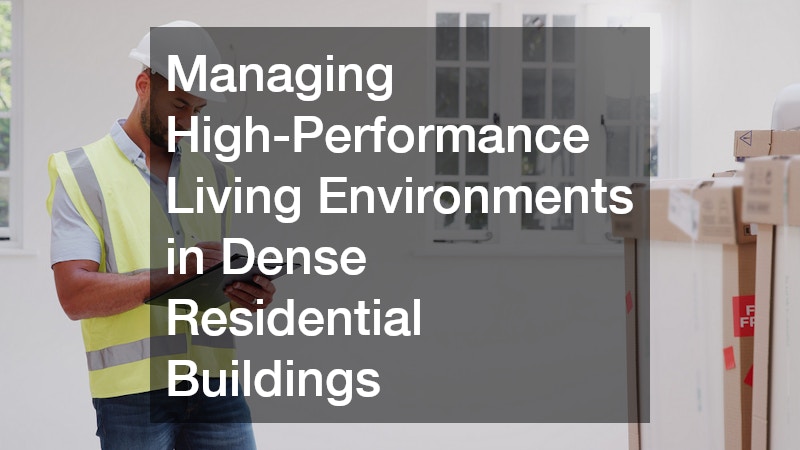
High-end residential buildings operate with complex, centralized systems designed to serve many units efficiently. These environments typically rely on shared HVAC infrastructure, centralized plumbing risers, and building-wide energy systems that require coordinated oversight.
One of the most important considerations in these settings is consistency. Because systems are shared, a failure in one area can quickly affect multiple residents. For example, a pressure imbalance in plumbing lines or an HVAC malfunction in a mechanical room can impact comfort across entire floors.
Key maintenance priorities in high-density residences include:
- Regular filter changes and airflow inspections in shared ventilation systems
- Monitoring water pressure consistency across units
- Ensuring noise control and vibration reduction in mechanical rooms
- Scheduling seasonal inspections for centralized equipment
- Coordinating repairs through building management to avoid system conflicts
Residents should also be aware of early warning signs of system strain or the need for new hvac installation, such as uneven temperatures, delayed hot water delivery, or inconsistent air circulation. Reporting these issues early helps prevent larger system failures.
Energy efficiency is another major factor. Many modern buildings now incorporate smart monitoring systems that track usage patterns and optimize performance. However, these systems still require periodic calibration and professional oversight to remain effective.
Additionally, clear communication between property managers and residents plays a major role in system efficiency. When maintenance schedules, outages, or upgrades are clearly communicated, disruptions are minimized and systems can be serviced more effectively without unnecessary delays.
Ultimately, maintaining high-performance residential environments requires collaboration between property managers, technicians, a reliable plumber, and residents to ensure long-term system stability.
Preserving Architectural Integrity While Modernizing Older Structures
Older homes often present a unique blend of craftsmanship and outdated infrastructure. While they may feature valuable architectural details, they frequently require significant updates to meet modern safety and efficiency standards.
One of the biggest challenges in historic home renovation is balancing preservation with modernization. Structural elements such as original wood framing, plaster walls, or historic masonry must often be preserved while integrating modern systems behind the scenes.
Key modernization considerations include:
- Upgrading outdated electrical systems without damaging original finishes
- Replacing aging plumbing materials that may no longer meet code
- Improving insulation without altering historical aesthetics
- Reinforcing structural elements while maintaining architectural integrity
- Carefully routing modern systems through existing cavities or concealed areas
Planning is essential in these projects. A detailed inspection before work begins helps identify hidden issues such as outdated wiring, moisture damage, or inefficient airflow pathways. Addressing these early prevents costly surprises during renovation.
Another important factor is compliance. Many older properties fall under preservation guidelines that restrict visible changes. This requires coordination with specialists who understand both building codes and historical requirements.
When done correctly, modernization not only improves comfort and efficiency but also preserves the character that makes older homes valuable in the first place.
Improving Climate Control Efficiency Across Modern Properties
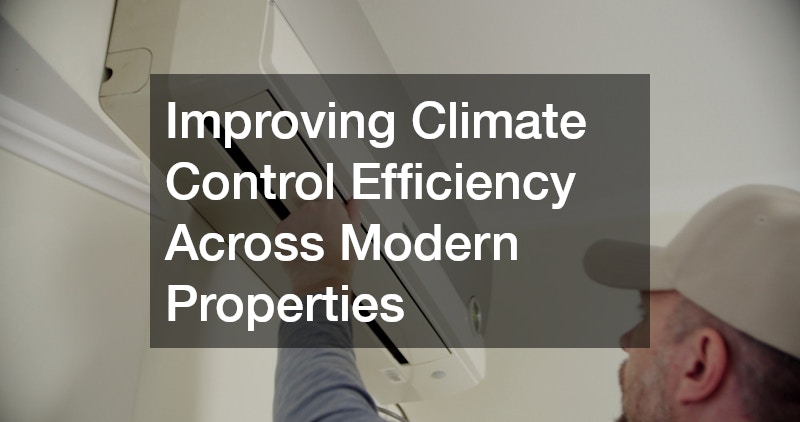
Heating and cooling systems are among the most critical components of any property. Proper installation and timely repairs directly influence comfort, energy consumption, and long-term operational costs.
System sizing is one of the most overlooked aspects of installation. An oversized system can short-cycle, wasting energy, while an undersized system may struggle to maintain consistent temperatures. Proper load calculations ensure balanced performance tailored to the property’s layout and insulation levels.
Important installation considerations include:
- Evaluating ductwork integrity before system setup
- Ensuring correct refrigerant levels and airflow balance
- Positioning thermostats away from heat sources or drafts
- Verifying electrical capacity for system demands
- Sealing ducts to prevent energy loss
When systems begin to fail, early intervention is essential. Common ac repair indicators include inconsistent cooling, unusual noises, or rising energy bills without increased usage.
Typical repair focus areas:
- Compressor performance and refrigerant levels
- Electrical connection stability
- Coil cleanliness and airflow restrictions
- Fan motor efficiency and wear
Routine maintenance, such as seasonal inspections and filter replacement, significantly reduces breakdown risk and extends system lifespan.
Ensuring Reliable Heating Performance During Cold Seasons
Heating systems must operate safely and efficiently during colder months, making preventative maintenance essential. Furnace issues often develop gradually, beginning with minor inefficiencies before escalating into complete system failure and ultimately lead to a large furnace repair.
Common warning signs include uneven heating, frequent cycling, or unusual odors during operation. These symptoms often indicate airflow restrictions, ignition problems, or worn components.
Key maintenance practices include:
- Inspecting burners for proper ignition and flame stability
- Cleaning or replacing air filters regularly
- Checking heat exchangers for cracks or corrosion
- Testing thermostat calibration for accuracy
- Ensuring proper ventilation for safe exhaust flow
Safety is a critical concern. Faulty heating systems can lead to carbon monoxide risks, making regular inspections essential for household protection.
Efficiency upgrades such as programmable thermostats or improved insulation can also reduce strain on heating systems, lowering energy costs while improving comfort.
Maintaining Reliable Water Delivery Systems in Residential Properties
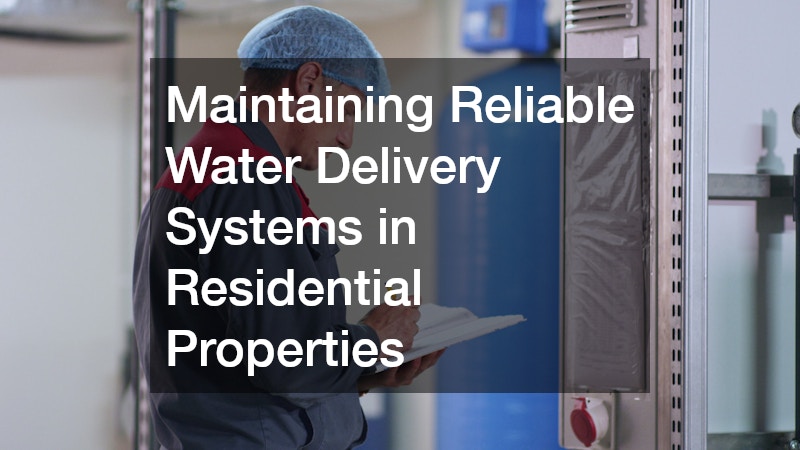
Plumbing systems are essential for daily living, yet they are often overlooked until a problem arises. Preventative maintenance helps avoid leaks, water damage, and pressure inconsistencies.
Hidden leaks are among the most damaging issues in residential plumbing. They can occur behind walls or under flooring, often going unnoticed until significant damage has already occurred.
Key plumbing maintenance priorities include:
- Inspecting visible pipes for corrosion or moisture buildup
- Testing water pressure consistency throughout the home
- Checking for slow drains or recurring clogs
- Monitoring water bills for unexpected increases
- Ensuring proper sealing around fixtures and joints
Professional inspections help identify early-stage issues that homeowners may miss. This includes camera inspections of internal pipes and pressure testing across the system.
A proactive plumbing strategy reduces emergency repairs and extends the lifespan of both fixtures and infrastructure.
Managing Hot Water Systems for Efficiency and Longevity
Hot water systems are essential for comfort and functionality, yet they often operate under heavy and continuous demand. Over time, sediment buildup, corrosion, and mechanical wear can reduce efficiency and reliability.
Early warning signs of system failure include inconsistent water temperature, unusual noises from the tank, or delayed heating response. These symptoms often indicate internal buildup or failing heating elements.
Key maintenance actions include:
- Flushing the tank to remove sediment accumulation
- Inspecting pressure relief valves for safety
- Checking heating elements or burners for efficiency
- Monitoring thermostat accuracy and stability
- Evaluating tank insulation for heat retention
Water quality also plays a major role in system longevity. Hard water conditions accelerate mineral buildup, reducing efficiency and increasing wear.
Preventative maintenance not only extends system lifespan but also improves energy efficiency, reducing utility costs over time.
Extending Hot Water System Lifespan Through Advanced Maintenance
In addition to standard maintenance, long-term optimization strategies can significantly extend system performance and reliability. Many homeowners only address issues when systems fail, but proactive care delivers better long-term results.
Advanced maintenance strategies include:
- Installing water softening solutions to reduce mineral buildup
- Adding insulation blankets to improve heat retention
- Scheduling bi-annual professional inspections
- Upgrading to high-efficiency models when repair frequency increases
- Monitoring usage patterns to prevent overloading
System replacement decisions should be based on performance trends rather than single failures. Frequent repairs, rising energy bills, or inconsistent heating are strong indicators that replacement may be more cost-effective than continued maintenance or water heater repair.
By taking a proactive approach, homeowners can avoid unexpected breakdowns, water heater repair, and ensure consistent hot water availability throughout the year.
Maintaining Outdoor Water Heating Systems for Recreational Comfort
Outdoor heating systems for pools require specialized maintenance due to constant exposure to environmental elements such as humidity, debris, and temperature fluctuations.
Common issues with a swimming pool heater include ignition failure, reduced heating efficiency, and thermostat malfunctions. These problems often stem from clogged filters, scale buildup, or worn components and lead to swimming pool heater repair.
Key maintenance practices include:
- Cleaning filters and burners regularly
- Inspecting gas or electrical connections for safety
- Monitoring water chemistry to prevent scaling
- Checking thermostat calibration for accurate control
- Protecting equipment from environmental exposure
Seasonal maintenance is particularly important. Systems should be inspected before and after peak usage periods to ensure reliability.
Proper care ensures consistent water temperature, improved energy efficiency, and extended equipment lifespan.
Protecting Underground Infrastructure and Preventing Major System Failures
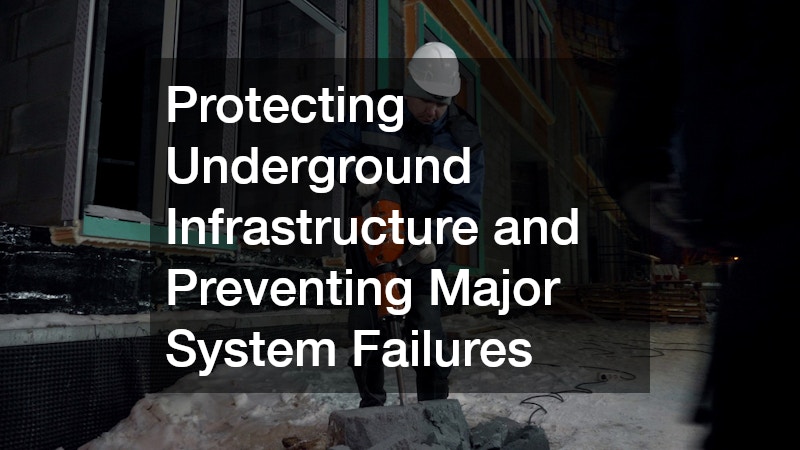
Underground drainage systems are critical for sanitation and property protection. Because they are hidden, problems often go unnoticed until significant damage occurs.
Early warning signs that you need sewer repairs include slow drains, foul odors, or recurring backups. These symptoms often indicate blockages, root intrusion, or pipe deterioration.
Preventative strategies include:
- Scheduling regular camera inspections of sewer lines
- Avoiding disposal of non-degradable materials
- Managing tree root growth near underground pipes
- Maintaining proper slope and drainage around the property
- Addressing minor clogs before they escalate
Modern repair methods often allow for trenchless solutions, reducing disruption to landscaping and structures. Early detection remains the most effective way to minimize repair costs and prevent major system failures.
Maintaining Efficient Cooling Performance in Residential Systems
Cooling systems are essential for comfort during warmer months and require regular attention to maintain efficiency. Over time, dust buildup, refrigerant leaks, and electrical issues can reduce performance.
Common repair indicators include weak airflow, uneven cooling, and rising energy bills. Ignoring these signs can lead to complete system failure during peak usage periods.
Key maintenance steps include:
- Cleaning condenser and evaporator coils
- Replacing air filters on a regular schedule
- Checking refrigerant levels and pressure balance
- Inspecting electrical components for wear or damage
- Ensuring unobstructed airflow around outdoor units
Preventative maintenance improves energy efficiency and extends system lifespan, reducing long-term operating costs.
Conclusion
Maintaining a property effectively requires a comprehensive approach that considers all mechanical, structural, and environmental systems as interconnected components. When heating, cooling, water delivery, and drainage systems are managed together rather than independently, overall performance improves significantly.
Preventative maintenance is the foundation of long-term system reliability. Regular inspections, timely repairs, and strategic upgrades reduce emergency breakdowns and extend equipment lifespan. Equally important is understanding how different systems influence one another—for example, how airflow efficiency impacts heating and cooling performance, or how plumbing health affects overall structural integrity.
A proactive strategy also improves financial predictability. Instead of facing unexpected repair costs, homeowners can budget for scheduled maintenance and planned upgrades. This reduces stress and improves long-term property value.
Ultimately, a well-maintained home is not the result of reactive repairs but of consistent planning, informed decision-making, and coordinated system management.
Technology and professional expertise also play a growing role in this process. Partnering with qualified specialists ensures that inspections are accurate and repairs are completed to code, while modern diagnostic tools help identify inefficiencies that are not visible during routine checks. Over time, this combination of expertise and prevention creates a more resilient, efficient, and comfortable living environment for all occupants.