Addiction can affect more than the person experiencing substance use challenges. Family members and other loved ones may also experience stress, uncertainty, and concern about what happens next. An addiction treatment center can provide structured professional support for individuals seeking recovery, while families can play an important role in providing encouragement and stability. Understanding treatment options, communication expectations, family involvement, and aftercare can help families navigate the recovery process with greater clarity.
Understanding What Addiction Treatment Centers Provide
An addiction treatment center may offer a range of services depending on the individual’s needs and the programs available. Treatment can include individual counseling, group therapy, behavioral therapies, educational programming, and recovery support. These services may address physical, emotional, behavioral, and social aspects of addiction.
Treatment plans are generally individualized rather than identical for every person. A provider may consider a person’s substance use history, overall circumstances, treatment goals, and other needs when developing a plan. This allows care to focus on the challenges and strengths that are specific to each individual.
Different Levels of Addiction Treatment
Treatment can take place at different levels of care. Residential or inpatient treatment generally involves living at a facility while participating in structured programming. Outpatient treatment allows individuals to attend scheduled services while continuing to live at home or in another residence.
The appropriate level of care depends on individual needs, circumstances, and professional assessment. In some cases, a person may transition between levels of care as their recovery progresses. For example, someone may begin with a more structured program and later move into outpatient services as they become more prepared to manage recovery in their everyday environment.
What Families Can Expect During Treatment
Treatment often begins with an assessment that helps providers understand an individual’s needs and develop an appropriate care plan. The schedule can vary depending on the level of care and specific program. Some individuals may participate in frequent counseling and group sessions, while others may have a less intensive schedule.
Families should also understand that recovery is a process rather than an immediate outcome. Progress may involve both positive developments and difficult periods. Treatment providers may establish communication guidelines to protect a person’s privacy while allowing appropriate family involvement.
Knowing these expectations can help families avoid placing unnecessary pressure on their loved one or expecting treatment to resolve every concern immediately.
Communication and Family Involvement
Family involvement varies depending on the treatment program, the individual’s circumstances, and applicable privacy requirements. Some programs may offer family therapy, educational sessions, or approved opportunities for communication.
Being supportive does not mean having access to every detail of a loved one’s treatment. Respecting privacy while remaining available can help create a healthier relationship during recovery. Families can ask treatment providers what forms of involvement are available and how they can participate appropriately.
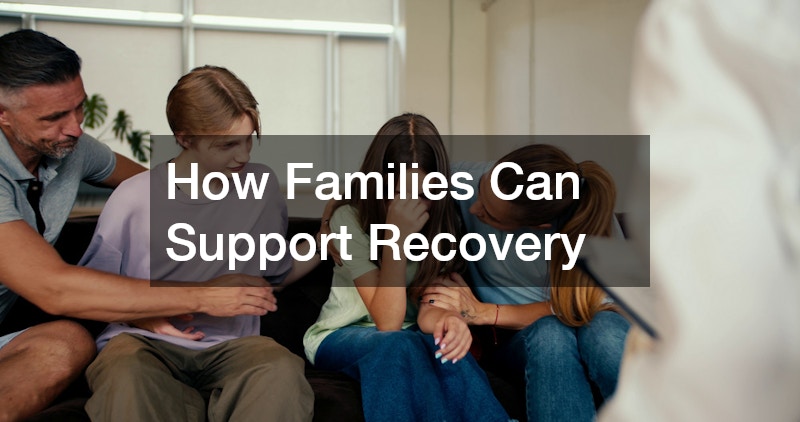
How Families Can Support Recovery
Family members can provide encouragement without attempting to manage the entire recovery process themselves. Listening without judgment can give a loved one space to discuss challenges and accomplishments. Recognizing progress, even when it occurs gradually, can also reinforce positive changes.
Learning about addiction and recovery can help families better understand what their loved one may be experiencing. Education can also help replace assumptions with more accurate information about substance use and the recovery process.
Healthy boundaries are equally important. Families may need to avoid actions that unintentionally enable substance use, while still offering appropriate emotional support. Establishing clear and consistent boundaries can benefit both the person in recovery and the people supporting them.
Preparing for Life After Treatment
Completing a treatment program is often one stage of a longer recovery process. Before treatment ends, an aftercare plan may identify resources and strategies that can help an individual continue working toward recovery. Continued counseling, support groups, relapse-prevention strategies, and community resources may all play a role, depending on individual needs.
Families can help by creating a stable and supportive environment when possible. This might involve encouraging healthy routines, supporting treatment appointments, and maintaining appropriate boundaries. It is also important to recognize that recovery can involve setbacks. If concerns arise, families can encourage their loved one to reconnect with qualified professional support rather than attempting to handle serious challenges alone.
Families can support recovery by learning about addiction, listening without judgment, maintaining healthy boundaries, and taking care of their own well-being. If you are concerned about a loved one’s substance use, consider speaking with a qualified addiction treatment professional to learn more about available treatment options and appropriate next steps.