
A well-planned bathroom does far more than support daily routines—it helps a household move smoothly through busy mornings, quiet evenings, and everything in between. When multiple people rely on the same space, small inefficiencies quickly become daily frustrations. Thoughtful planning turns those challenges into opportunities to create a room that supports organization, comfort, and long-term usability. A family bathroom benefits most when its layout, materials, and systems are intentionally chosen with real-life use in mind.
Efficiency in a shared bathroom is not just about fitting more into a limited footprint. It involves understanding traffic flow, anticipating storage needs, and choosing finishes and fixtures that can handle frequent use without constant upkeep. Families often juggle school schedules, work commitments, and household responsibilities, which makes a well-functioning bathroom a practical necessity rather than a luxury. Planning ahead allows homeowners to reduce congestion, minimize maintenance issues, and extend the lifespan of the space.
This guide explores planning tips that help a family bathroom function more efficiently by focusing on layout decisions, material selection, storage strategies, and long-term durability. Each section addresses a specific aspect of planning that contributes to a bathroom that works well for everyone who uses it. With the right approach, the space can remain adaptable as needs change, supporting both convenience and comfort over time.
Designing a Layout That Supports Daily Traffic
An efficient bathroom begins with a layout that reflects how the space is actually used throughout the day. In homes where several people share one bathroom, traffic flow becomes one of the most important planning considerations. Poorly placed fixtures or narrow walkways can lead to congestion, especially during peak times like early mornings or bedtime routines. A layout that supports clear movement paths helps reduce stress and wasted time.
Separating functional zones within the room can dramatically improve usability. For example, positioning the sink area away from the toilet or shower allows one person to brush their teeth while another uses the bath. This type of zoning is especially valuable in a family bathroom, where simultaneous use is common. Even subtle adjustments, such as door swing direction or fixture spacing, can make a noticeable difference in how smoothly the room functions.
Planning also involves thinking vertically, not just horizontally. Wall-mounted fixtures, recessed shelving, and smart mirror placement can free up floor space and create a more open feel. These choices make the bathroom easier to navigate and simpler to clean, both of which contribute to daily efficiency. When homeowners work with professionals who offer bathroom vanity services, they can often customize layouts that integrate storage and counter space without overcrowding the room.
Lighting and sightlines should also be considered during layout planning. Proper illumination reduces shadows and improves visibility, which is particularly helpful when multiple people are using the space at once. Mirrors placed strategically can enhance light distribution and make the room feel larger. Altogether, a layout that prioritizes flow, accessibility, and shared use sets the foundation for a bathroom that functions efficiently every day.

Choosing Materials That Balance Durability and Maintenance
Material selection plays a significant role in how well a bathroom performs over time. In a shared space, surfaces are exposed to frequent moisture, temperature changes, and constant use. Choosing materials that balance durability with ease of maintenance helps prevent long-term issues and reduces the need for frequent repairs or replacements. Planning ahead in this area saves both time and resources.
Walls and floors should be selected with moisture resistance in mind. High-quality tile, sealed stone, or engineered surfaces can withstand daily wear while remaining easy to clean. Families often overlook how finishes affect maintenance, but smooth, non-porous materials tend to resist stains and mildew more effectively. This is especially important in a family bathroom, where spills and splashes are inevitable.
Window treatments are another detail that can impact efficiency. Moisture-resistant blinds provide privacy while allowing light control without warping or staining. Choosing the right materials ensures that window coverings remain functional and attractive despite the humid environment. These small decisions contribute to a space that requires less upkeep over time.
Backsplashes and wall accents also deserve careful consideration. Sourcing materials from a reliable backsplash tile store allows homeowners to select options that complement the overall design while providing practical protection against water damage. A well-chosen backsplash not only enhances the room’s appearance but also simplifies cleaning around sinks and counters. By prioritizing materials that support durability and easy maintenance, families create a bathroom that stays functional and efficient for years to come.
Planning Electrical and Lighting Systems for Practical Use
Electrical planning is often underestimated in bathroom design, yet it plays a crucial role in efficiency and safety. A shared bathroom benefits from lighting and power solutions that support multiple users without overloading circuits or creating dark, impractical areas. Thoughtful electrical planning ensures that the space works reliably during busy routines.
Layered lighting is one of the most effective strategies for improving functionality. Overhead lighting provides general illumination, while task lighting near mirrors supports grooming and hygiene tasks. Accent lighting can enhance visibility in storage areas or showers. Working with certified electricians helps ensure that lighting placement and wiring meet safety standards while accommodating the household’s needs.
Outlet placement is another critical consideration. Multiple users often need access to power for hair dryers, electric toothbrushes, or grooming tools. Strategically placed outlets reduce clutter and eliminate the need for extension cords, which can pose safety risks in a damp environment. Proper planning also allows for future needs, such as additional devices or upgraded fixtures.
Ventilation systems are closely tied to electrical planning as well. Efficient exhaust fans help manage humidity, reduce odors, and protect finishes from moisture-related damage. When integrated correctly, ventilation supports a healthier environment and extends the life of the bathroom’s materials. By investing in well-planned electrical and lighting systems, homeowners create a bathroom that functions smoothly and safely, even during the busiest times of day.

Maximizing Storage Without Sacrificing Space
Storage is one of the most common challenges in shared bathrooms. Without adequate organization, countertops become cluttered and cabinets overflow, making daily routines less efficient. Effective storage planning focuses on accessibility, flexibility, and making the most of available space without overwhelming the room’s design.
Built-in storage solutions often provide the best balance between capacity and aesthetics. Recessed shelving, medicine cabinets, and under-sink organizers keep essentials within reach while maintaining a clean appearance. Custom cabinetry can be tailored to the specific needs of the household, ensuring that each family member has designated space for personal items. This level of organization is particularly valuable in a family bathroom, where shared storage can easily become chaotic.
Counter space also plays a role in storage efficiency. Planning for adequate surface area allows users to temporarily place items without crowding the sink. When surfaces become worn or outdated, countertop replacement offers an opportunity to improve both durability and functionality. Modern materials can provide better resistance to moisture and stains while enhancing the overall layout.
Open and closed storage should be balanced carefully. Open shelves offer quick access and visual appeal, while closed cabinets conceal clutter and protect items from humidity. By combining both approaches, homeowners can create a storage system that adapts to daily use and long-term needs. Thoughtful storage planning ensures that the bathroom remains organized, functional, and easy to use for everyone.
Addressing Moisture Control and Long-Term Protection
Moisture management is essential in any bathroom, but it becomes even more critical in spaces that see constant use. Excess humidity can lead to mold growth, material deterioration, and unpleasant odors if not properly controlled. Planning for moisture protection helps maintain efficiency and reduces the likelihood of costly repairs.
Water-resistant materials are only one part of the solution. Proper installation and sealing are equally important. Working with a waterproofing company ensures that areas such as showers, tubs, and floors are protected against leaks and water intrusion. These preventative measures safeguard the underlying structure of the home and support the longevity of the bathroom.
Ventilation systems, including exhaust fans and operable windows, work together to regulate humidity levels. Timers or humidity-sensing fans can further improve efficiency by operating only when needed. This not only protects the space but also conserves energy. In a family bathroom, where showers and baths may occur back-to-back, effective ventilation is especially valuable.
Routine maintenance should also be considered during the planning phase. Choosing finishes and fixtures that are easy to inspect and maintain allows homeowners to address small issues before they escalate. By prioritizing moisture control and long-term protection, families create a bathroom that remains functional, healthy, and efficient over time.

Preventing Common Plumbing Issues Through Smart Planning
Plumbing problems can quickly disrupt daily routines, particularly in shared bathrooms. Proactive planning helps minimize the risk of issues that lead to inconvenience or damage. Thoughtful fixture selection and system design play a key role in maintaining consistent performance.
Drainage is one of the most common sources of frustration. Hair, soap residue, and debris can cause slow drainage or a drain backing up, especially in bathrooms used by multiple people. Installing high-quality drains and accessible clean-out points simplifies maintenance and reduces the likelihood of blockages. Planning for easy access ensures that minor issues can be addressed quickly without extensive disruption.
Fixture placement also affects plumbing efficiency. Shorter pipe runs and logical layouts reduce strain on the system and improve water flow. Selecting fixtures designed for durability and efficiency further supports long-term performance. These decisions are particularly important in a family bathroom, where frequent use can expose weaknesses in poorly planned systems.
Access to quality materials is another consideration. Sourcing components from local plumbing supplies allows homeowners to choose reliable products that meet regional standards. This approach can also simplify repairs and replacements in the future. By addressing plumbing needs during the planning phase, families reduce the risk of unexpected problems and ensure that the bathroom operates smoothly day after day.
Coordinating Professional Expertise for a Cohesive Result
Successful bathroom planning often requires collaboration among multiple professionals. Coordinating expertise ensures that design, construction, and installation work together seamlessly. Clear communication and defined responsibilities help prevent delays and inconsistencies that can compromise efficiency.
Engaging a local bathroom remodeling company provides access to professionals who understand regional building codes and common household needs. Local expertise can streamline the planning process and ensure that solutions are practical and compliant. These teams often coordinate closely with designers, plumbers, and electricians to deliver a cohesive result.
Working with experienced remodeling contractors also supports efficiency by reducing errors and rework. Professionals who understand the complexities of bathroom construction can anticipate challenges and address them proactively. This level of coordination is especially important in a family bathroom, where functionality and durability are top priorities.
Material sourcing and scheduling benefit from professional oversight as well. Coordinated planning ensures that materials arrive on time and installations occur in the correct sequence. This approach minimizes downtime and helps homeowners transition smoothly from planning to daily use. By relying on skilled professionals, families can achieve a bathroom that meets their needs while functioning efficiently for years to come.
Planning for Adaptability as Family Needs Change
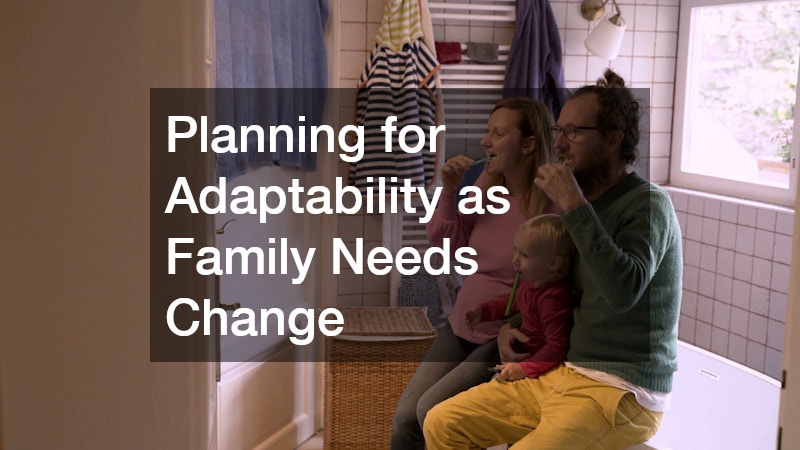
One of the most overlooked aspects of bathroom planning is adaptability. Families grow and change, and the bathroom should be able to accommodate evolving needs without requiring constant renovations. Designing with flexibility in mind ensures that the space remains efficient over the long term.
Fixture selection can support adaptability by allowing adjustments or upgrades as needed. For example, choosing neutral layouts and standard dimensions makes future changes simpler. Storage systems that can be reconfigured also help the bathroom adapt to different stages of family life. This forward-thinking approach is especially valuable in a family bathroom, where usage patterns may shift over time.
Accessibility features are another consideration. Even if they are not immediately necessary, incorporating elements such as wider doorways, adjustable lighting, or slip-resistant flooring can improve usability for all ages. These features enhance safety and comfort without compromising style or efficiency. Ultimately, adaptability supports long-term value and satisfaction. A bathroom designed to evolve with the household reduces the need for frequent updates and ensures consistent performance. By planning for change, homeowners create a space that continues to function efficiently, no matter how family needs develop in the future.