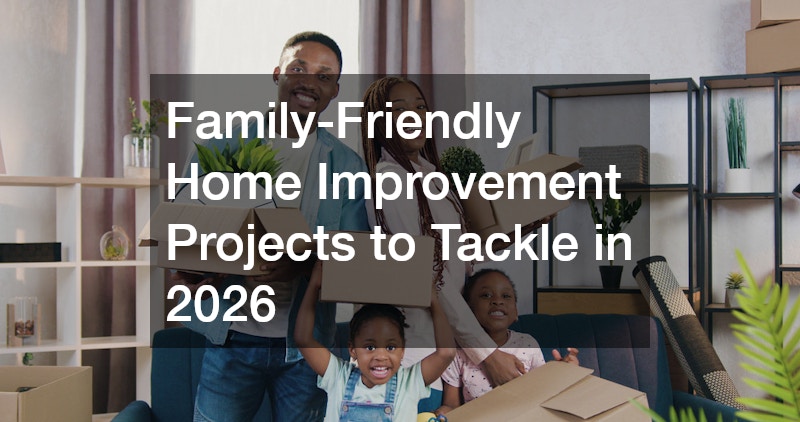
Family-friendly home improvement projects continue to evolve as households look for ways to balance comfort, safety, and shared experiences. In 2026, many families are focusing on updates that support daily routines while also creating spaces where everyone can participate. Home projects are no longer just about aesthetics. They’re about functionality, durability, and creating environments that adapt as children grow.
One major shift is the desire for projects that involve the whole family. Parents are inviting kids into age-appropriate tasks, whether that’s choosing colors, helping with planning, or learning basic maintenance skills. These shared efforts turn home upgrades into meaningful learning moments rather than stressful to-do lists.
Another factor shaping family-friendly projects is time. Busy schedules mean homeowners want improvements that deliver long-term value without constant upkeep. Projects completed in 2026 are expected to last longer, work smarter, and support everyday living with fewer interruptions.
Safety also plays a larger role than ever before. Families are prioritizing materials, layouts, and systems that reduce hazards and improve peace of mind. From smoother walkways to upgraded indoor air systems, thoughtful planning helps homes support both kids and adults comfortably.
Technology influences many of these projects, but families are also rediscovering the value of hands-on improvements. Painting a room or repairing a fence offers tangible results and builds a sense of accomplishment that screens can’t replace.
Budget awareness remains important. Instead of large-scale renovations, many families are choosing targeted projects that improve quality of life without overwhelming costs. Small changes, when done thoughtfully, can make a noticeable difference.
Sustainability is another growing consideration. Families are thinking about how materials, energy use, and maintenance choices affect both household expenses and long-term environmental impact. Smart upgrades help reduce waste while supporting daily comfort.
This article explores practical, family-friendly home improvement projects to tackle in 2026. Each section highlights ways to involve your household, improve functionality, and create spaces that support family life now and in the years ahead.
Painting the Bedrooms
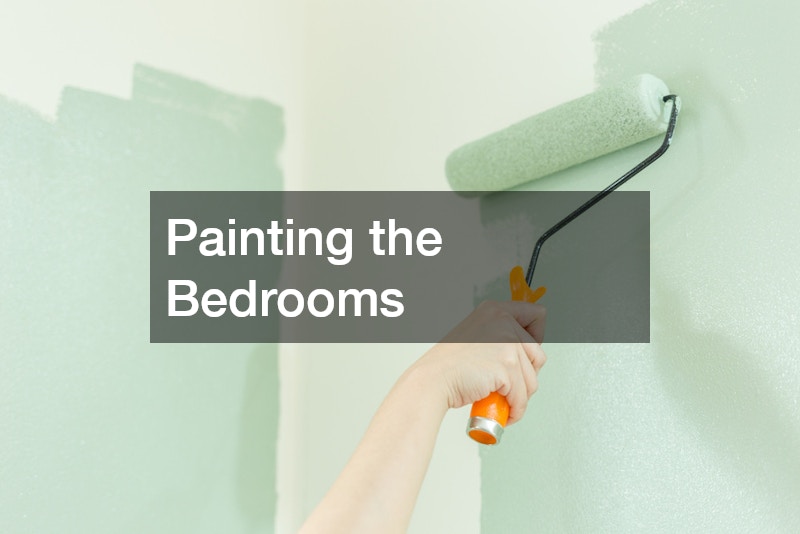
Painting bedrooms remains one of the most approachable home improvement projects for families. With thoughtful planning, residential painting can become a shared activity that allows children to express creativity while learning responsibility. In 2026, families are leaning toward calming color palettes that promote rest and flexibility as kids grow older.
Involving children in color selection can spark excitement and ownership. Letting them choose from a curated set of options keeps the process manageable while still honoring their preferences. This approach also helps avoid frequent repainting as tastes change.
Preparation is where families can work together. Simple tasks like taping edges, laying drop cloths, or wiping walls teach kids the value of preparation. These steps reinforce patience and attention to detail in a low-pressure environment.
Modern paint formulas make this project more family-friendly than ever. Low-odor and quick-drying options reduce disruption and allow rooms to return to normal use sooner. Residential painting projects completed together often leave families with both refreshed spaces and shared memories.
Building a Deck
Outdoor living continues to grow in importance, and building a deck offers families a way to expand usable space. In 2026, deck designs are focused on versatility, accommodating everything from family dinners to quiet afternoons. Incorporating deck drainage projects into the planning phase helps maintain durability and usability year-round.
Families often appreciate decks that allow for multiple zones. A dining area, play space, and seating corner can coexist without feeling crowded. Thoughtful layouts support different activities happening at the same time.
Children can participate in planning by helping measure the space or choosing finishes. These early stages encourage problem-solving and introduce basic construction concepts. While skilled labor handles structural work, family involvement adds meaning to the final result.
Deck drainage projects help manage water flow, reducing slippery surfaces and protecting the structure below. This feature supports safety while extending the lifespan of the deck, making it a practical investment for growing families.
Maintaining the Lawn

Lawn care may seem routine, but it plays a major role in how families use outdoor space. In 2026, maintaining a healthy lawn is less about perfection and more about functionality. Families want yards that support play, relaxation, and gatherings without excessive upkeep.
Teaching kids basic lawn care tasks helps build responsibility. Simple activities like watering or clearing debris introduce them to outdoor maintenance in a manageable way. These small contributions foster pride in shared spaces.
While homeowners don’t typically use commercial lawn mowers themselves, understanding their role helps families appreciate professional services when needed. These machines allow large areas to be maintained efficiently, supporting consistent results without long-term strain on homeowners.
A well-maintained lawn creates opportunities for spontaneous family moments. From backyard games to evening picnics, routine care supports everyday enjoyment without requiring constant attention.
Choosing New Shutters
Shutters offer a simple way to refresh a home’s exterior while improving functionality. In 2026, families are choosing styles that balance curb appeal with durability. Working with a trusted shutters company helps simplify decisions and align aesthetics with long-term needs.
Children can participate by comparing styles or colors, turning the selection process into a visual learning experience. This involvement helps them understand how small exterior details contribute to a home’s overall appearance.
Modern shutters are designed for low maintenance, which appeals to busy households. Materials resist fading and weather damage, reducing the need for frequent replacements. This reliability supports both budget planning and peace of mind.
Partnering with a shutters company allows families to focus on design choices rather than installation challenges. The result is a polished update that enhances the home without disrupting daily routines.
Maintaining the Swimming Pool

Swimming pools remain a favorite feature for family homes, but proper maintenance is key to safe enjoyment. In 2026, families are paying closer attention to water balance and routine care. Learning how to lower ph in swimming pool systems helps maintain comfort and clarity.
Older children can assist with basic testing under supervision, turning pool care into a learning opportunity. These tasks teach responsibility while reinforcing safety awareness around water.
Regular maintenance reduces unexpected issues during peak swimming season. Families benefit from consistent routines that keep the pool ready for use without last-minute stress.
Knowing how to lower ph in swimming pool environments supports swimmer comfort and protects equipment. With proper guidance, families can maintain a safe, inviting space for relaxation and play.
Installing a Fence
Fencing continues to be a popular family-friendly project, especially for households with young children or pets. In 2026, vinyl fence installation stands out for its durability and minimal upkeep. This option allows families to focus on enjoying their yard rather than constant repairs.
Planning the fence layout together helps children understand boundaries and safety. Measuring distances and discussing gate placement introduce practical problem-solving skills.
Vinyl materials resist weather damage and require little maintenance, making them ideal for busy families. The clean appearance also complements a variety of home styles without frequent updates.
Vinyl fence installation supports both safety and privacy, creating outdoor spaces where families can relax confidently. The result is a secure environment that adapts as household needs change.
Fixing Up Your Kitchen

The kitchen remains the heart of the home, and family-friendly updates in 2026 focus on usability and shared experiences. Small improvements often have the biggest impact, especially when they support everyday routines.
Trips to hardware stores can become educational outings. Children learn about tools, materials, and basic home systems while helping choose fixtures or finishes. These experiences demystify home improvement and build practical knowledge.
Simple upgrades like new cabinet hardware or improved lighting refresh the space without major disruption. Families benefit from improved functionality while maintaining familiar layouts.
Hardware stores also provide access to knowledgeable staff and resources, helping families plan projects with confidence. Thoughtful kitchen updates support cooking, gathering, and learning together.
Maintaining Your HVAC System
Comfort plays a major role in family well-being, making HVAC maintenance a priority in 2026. Regular attention to heating and cooling systems supports consistent indoor temperatures throughout the year.
Families can involve older children by explaining how thermostats work or showing how filters are replaced. These lessons promote awareness of energy use and system care.
Routine maintenance helps prevent unexpected breakdowns, which is especially important during extreme weather. Consistent heating and cooling support restful sleep, focus, and overall comfort.
Understanding basic system needs empowers families to make informed decisions about service and upgrades. A well-maintained HVAC system supports daily life without drawing constant attention.
Repairing Your Furnace
Furnace care often becomes urgent during colder months, but proactive attention in 2026 helps families avoid disruptions. Scheduling furnace repair services before peak season supports reliability and safety.
Explaining the importance of regular inspections helps children understand how home systems work together. These conversations introduce the idea of preventative care and long-term planning.
Professional furnace repair services address issues that aren’t visible to homeowners. Timely attention supports consistent performance and helps extend system lifespan.
Reliable heating contributes to a comfortable home environment where families can focus on daily activities rather than temperature concerns. Proactive care supports both safety and peace of mind.
Installing a New Garage Door
Garage doors play a larger role in family homes than many realize. In 2026, installing an overhead garage door offers improved safety, convenience, and insulation.
Families can participate by discussing design options and functionality. Features like quiet operation and smart controls appeal to households with varying schedules.
An overhead garage door improves curb appeal while supporting daily routines. Smooth operation reduces noise and enhances ease of use for all family members.
Modern designs prioritize safety features that protect children and vehicles alike. This upgrade supports both aesthetics and practicality in a family-focused home.
Improving Your Home in a Family-Friendly Way
Family-friendly home improvement is about more than individual projects. It’s about creating spaces that support growth, learning, and connection. In 2026, families are choosing upgrades that align with shared values and evolving needs.
Each project discussed offers opportunities for involvement, whether through planning, decision-making, or hands-on tasks. These moments build skills and strengthen relationships.
Thoughtful improvements support daily routines while reducing long-term maintenance. Families benefit from homes that work with them rather than against them.
Balancing aesthetics with functionality helps create spaces everyone enjoys. Simple choices often deliver the greatest impact.
Safety remains central to every decision. Projects that reduce hazards and improve comfort support peace of mind.
Budget-conscious planning allows families to prioritize meaningful upgrades without unnecessary strain. Small steps add up over time.
Sustainability considerations help families think beyond immediate needs. Durable materials and efficient systems support long-term goals.
By approaching home improvement collaboratively, families transform routine projects into shared achievements. These efforts shape homes that grow alongside the people who live in them.
Home improvement projects completed with family in mind often leave a lasting impression that goes beyond the physical changes. When everyone has a role, even a small one, the home starts to feel like a shared creation rather than just a place to live. That sense of contribution can carry forward into how family members care for and respect the space over time.
These projects also create natural opportunities for learning without formal structure. Kids pick up practical skills, problem-solving habits, and patience simply by being involved. Over time, these experiences can shape confidence and independence in ways that aren’t always obvious in the moment.
Working on the home together can strengthen communication within the household. Planning, decision-making, and adapting when things don’t go as expected encourage discussion and teamwork. Those skills often carry over into other parts of family life.
Family-friendly improvements also support smoother daily routines. Spaces that function better reduce stress, save time, and make everyday tasks feel more manageable. When a home works well, families have more energy to focus on one another instead of constant fixes.
There’s also value in pacing projects thoughtfully. Spreading improvements out over time allows families to enjoy each update fully while avoiding burnout. This approach keeps home improvement feeling rewarding rather than overwhelming.
As children grow, the meaning of these projects can change. A painted bedroom or fenced yard may later become a reminder of shared effort and milestones. Homes evolve, but the memories connected to those changes often remain.
Looking ahead, flexibility remains key. Choosing improvements that can adapt to changing needs helps families avoid frequent overhauls. Versatile spaces and durable materials support long-term comfort and practicality.
Ultimately, a family-friendly approach to home improvement is about intention. By focusing on projects that support connection, safety, and everyday life, families create homes that reflect who they are and how they live together.