
Opening your front door to guests can feel vulnerable, whether it is a holiday dinner, a milestone celebration, or a casual weeknight gathering. Yet the act of hosting teaches patience, generosity, and confidence in ways few other experiences can match. If you have ever hesitated to invite people over because your home is not “ready,” this article will help you see hosting as a skill worth building rather than a performance to fear. Along the way, we will cover practical planning tips that make opening your home easier and more rewarding.
Building Confidence by Planning Your First Gathering
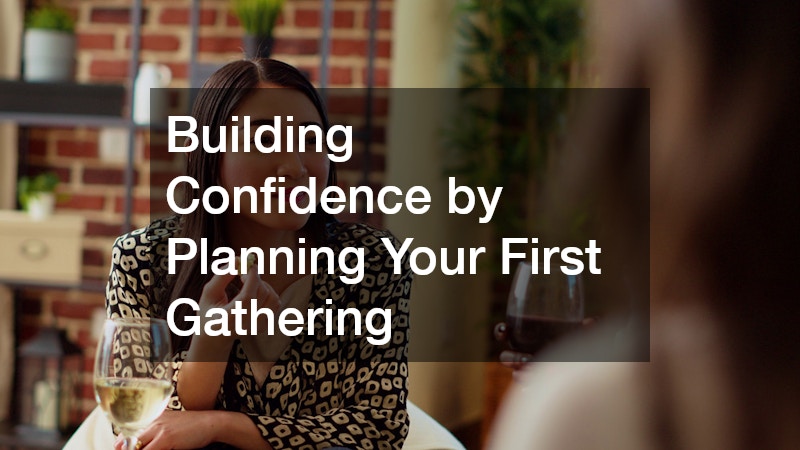
The hardest part of hosting is usually the first time. Once you plan a small, low-pressure gathering and see it go well, the fear of hosting starts to shrink considerably. That first success becomes proof that you’re capable, and it rewires the anxious story you’ve been telling yourself about hosting being too hard or too risky.
Start with something manageable, like coffee with two friends or a casual dinner for four, so you can practice without feeling overwhelmed. Keep the guest list small on purpose — four to six people is plenty for a first attempt, since smaller groups are easier to manage and feel less like a performance.
Choose a simple format that limits how much can go wrong. A weekend brunch, a potluck where everyone brings a dish, or a game night with snacks all take pressure off you to cook an elaborate meal or entertain nonstop.
Give yourself a realistic timeline too. Planning even a modest gathering a week or two in advance, with a simple checklist for food, seating, and cleanup, prevents last-minute scrambling and lets you actually enjoy the event instead of just surviving it.
Start small. A first gathering doesn’t need to be a dinner party for twelve — inviting two or three friends over for coffee or a casual lunch is enough to practice the basics of hosting without overwhelming yourself. Success here builds the confidence you’ll need for bigger events later.
As your confidence grows, you can expand to larger events with more moving parts. Many first-time hosts find it helpful to write out a simple timeline the day before, covering food prep, cleaning, and setup, so nothing feels rushed. For example, you might schedule grocery shopping two days out, deep cleaning the morning before, and food prep the afternoon of, leaving just reheating and final touches for the hour before guests arrive.
This structure removes decision fatigue and lets you actually enjoy your own party. It also helps to build in a buffer — planning for guests to arrive 15-20 minutes after your “true” ready time means you’re not scrambling when the doorbell rings early. Over time, these small planning habits become second nature, freeing up mental space to focus on the people in front of you rather than the logistics behind the scenes.
- Start with a guest list of four to six people for your first hosted event — small enough to manage, large enough to feel festive
- Invite people you’re comfortable with, like close friends or family, so any hiccups feel low-stakes
- Choose one signature dish instead of a full menu to reduce stress, ideally something you’ve made successfully before
- Prep what you can the day before, like chopping vegetables or making a sauce, so event day feels lighter
- Set a simple table an hour before guests arrive so you are not rushing, including napkins, water glasses, and any serving utensils
- Light a candle or put on background music during setup to ease your own nerves before anyone arrives
- Ask a friend to arrive fifteen minutes early to help with last-minute tasks like pouring drinks or answering the door
- Keep a short mental list of two or three conversation topics ready, so silences feel comfortable rather than awkward
Dressing the Part Without Overspending on Style
Hosting often brings a subtle pressure to look put-together, but that does not mean an expensive new outfit is necessary. Many seasoned hosts find great outfits at thrift store clothes racks, mixing a secondhand blazer or dress with pieces they already own for a polished, budget-friendly look. This approach also encourages creativity, since you are working with unique pieces rather than mass-produced trends.
Shopping secondhand for hosting occasions also teaches a valuable lesson in personal style versus performance. When you are not trying to impress with brand names, you focus more on comfort and genuine connection with your guests. That shift in mindset often carries over into how you approach the entire evening.
- Look for structured pieces like blazers or wrap dresses that photograph well
- Try on items in natural light to check true color and fit
- Set a firm budget before browsing to avoid impulse buys
- Mix one secondhand statement piece with familiar wardrobe basics
Sourcing Fresh Ingredients for a Memorable Menu
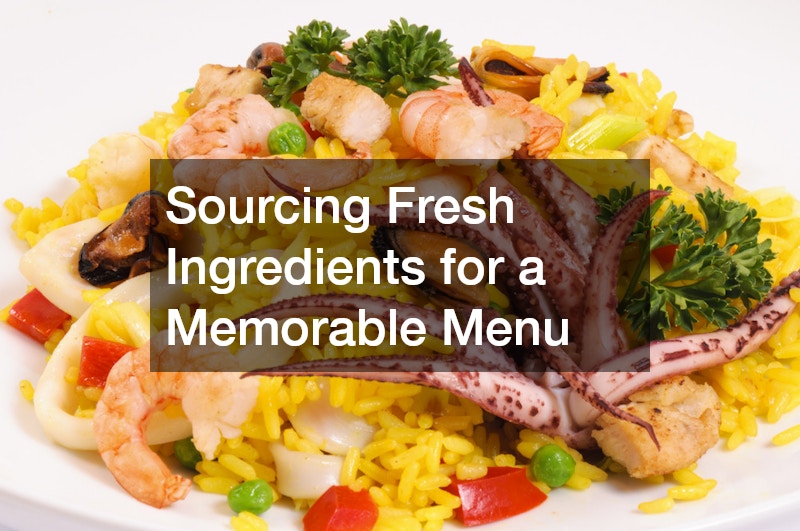
The food you serve often becomes the centerpiece of any hosted gathering, and sourcing it thoughtfully makes a real difference. Visiting local seafood markets the morning of your event can elevate a simple dinner into something guests remember, since fresh catch has a noticeably different flavor and texture than frozen alternatives. Building a menu around what is fresh and in season also teaches you to be flexible and creative in the kitchen.
Learning to shop with intention, rather than grabbing everything from one big-box store, is a personal growth skill in itself. It forces you to slow down, ask questions of vendors, and plan your menu around quality rather than convenience. That patience and attentiveness often spills over into how you treat your guests once they arrive.
- Ask vendors what was caught or delivered that same day
- Plan your seafood dish last so you can build the rest of the menu around it
- Buy slightly more than you think you need for generous portions
- Store fresh seafood on ice until you are ready to cook
Choosing Between Home Gatherings and Rented Event Spaces
Not every celebration needs to happen inside your own four walls, and knowing when to look outward is part of growing as a host. For milestone events like anniversaries or engagement parties, some families choose to book a local wedding reception venue instead of squeezing dozens of guests into a living room. This decision often teaches hosts to delegate and trust others with details they would normally control themselves.
Deciding between hosting at home and renting a space usually comes down to guest count, budget, and how much setup work you are willing to take on. Smaller, more intimate gatherings tend to feel warmer at home, while larger events benefit from professional space and staff. Either way, the planning process itself builds decision-making skills that carry into other areas of life.
- Estimate guest count early so you know which option is realistic
- Compare setup and cleanup responsibilities before committing to a venue
- Ask about rental time limits so your event does not feel rushed
- Consider parking and accessibility for older or disabled guests
Marking Milestones That Bring People Together

Certain moments practically demand that you open your home or plan a gathering around them, and engagements are a perfect example. When a couple gets engaged, friends and family often want to celebrate the bridal ring and the new chapter it represents with a small get-together before the larger wedding planning begins. Hosting this kind of celebration teaches you how to read a room and create moments that feel personal rather than generic.
These milestone gatherings also give new hosts low-stakes practice in event planning, since the guest list is usually smaller and the mood is naturally celebratory. You learn to balance structure, like a toast or a short speech, with unstructured time for guests to mingle. That balance is a skill that improves every future event you host.
- Keep milestone celebrations focused with a short, meaningful toast
- Encourage guests to share a quick story or memory about the couple
- Choose a theme or color scheme that echoes the celebration
- Take a few candid photos before the formal ones to capture genuine moments
Feeding Large Crowds Without Losing Your Mind
Hosting a large event, like a graduation party or family reunion, introduces logistical challenges that smaller gatherings never require. Some families turn to multi shift catering services so food is delivered and replenished in waves rather than all at once, which keeps buffet lines fresh and manageable throughout a long event. Learning to coordinate timing like this teaches patience and forward planning that benefits every future event you host.
Even if you are not hiring outside help, thinking in “shifts” can simplify your own cooking schedule. Preparing appetizers first, then mains, then desserts in stages prevents kitchen chaos and lets you actually spend time with guests. This staged approach is one of the most transferable skills a host can learn.
- Break your menu into three serving waves: starters, mains, and dessert
- Assign one dish per helper if friends offer to bring food
- Keep hot dishes warm using slow cookers or chafing trays
- Refill serving stations before they run completely empty
Practicing Hospitality Outside Your Own Front Door
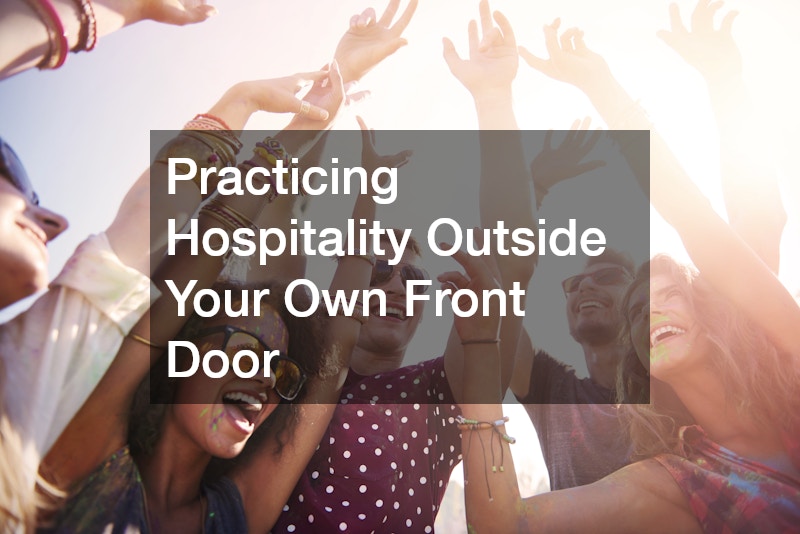
Personal growth through hosting is not limited to your own house. Taking a friend to romantic restaurants for a milestone dinner, or simply meeting someone for coffee at a local cafe, teaches many of the same hospitality skills as hosting at home, including attentiveness, generosity, and thoughtful conversation. These smaller acts of hosting in public spaces build confidence for bigger gatherings later.
Practicing hospitality in low-stakes public settings also helps you notice what makes other hosts and venues successful. Pay attention to how a restaurant paces courses or how a cafe owner remembers regulars by name, and borrow those techniques for your own gatherings. Hospitality is a skill you can study everywhere, not just in your own dining room.
- Notice pacing and timing when dining out to apply at your own events
- Ask servers or baristas how they personalize the guest experience
- Use public outings as low-pressure practice for making conversation
- Take mental notes on lighting and music that create a welcoming mood
Bringing Nature Indoors With Thoughtful Décor
A welcoming home often has a living, growing element to it, and greenery is one of the simplest ways to add warmth. A trip to your local garden nursery before a gathering can supply fresh flowers, potted herbs, or small plants that make a space feel cared for without much expense. Choosing your own arrangements also gives you a creative outlet that has nothing to do with cooking or cleaning.
Learning basic plant care as a host has an added benefit: it teaches responsibility and patience over time, since plants require ongoing attention rather than one-time effort. Many hosts find that maintaining a few potted plants year-round makes last-minute hosting far less stressful, since the décor is already in place. This small habit builds a sense of pride in your home that guests notice immediately.
- Choose low-maintenance plants like succulents for busy households
- Buy fresh herbs you can also use in your menu
- Group plants of varying heights for a fuller look on tables
- Ask nursery staff which plants tolerate indoor light best
Preparing Your Property for Guests and Cleanup
Large outdoor gatherings, like backyard parties or family reunions, often require practical infrastructure that many first-time hosts overlook. If you expect more guests than your bathrooms can comfortably handle, contacting a porta potty rental company ahead of time prevents long lines and keeps your indoor spaces cleaner. Planning for these details in advance is a quiet but important part of growing into a confident, organized host.
Cleanup is just as important as setup, especially for events that generate significant waste. Renting one of several available dumpster rentals for a weekend can make post-party cleanup dramatically faster, especially after renovations or yard work tied to hosting a big event. Thinking through logistics like these ahead of time turns hosting from a source of anxiety into a manageable, even enjoyable, project.
- Estimate guest count to determine how many restroom units you need
- Reserve rental equipment at least two to three weeks in advance
- Place waste bins in visible, accessible spots around your yard
- Schedule pickup the day after your event to avoid extra rental days
Hosting, in any form, is ultimately a practice in generosity, planning, and connection that gets easier and more rewarding the more you do it. Start small, learn from each gathering, and give yourself permission to make imperfect memories along the way. Whether you are dressing thoughtfully, sourcing fresh food, or simply making space for people you love, every hosting decision is a chance to grow. The next time you hesitate to invite someone over, remember that the skills you build behind your own front door will serve you well beyond it.